
Most municipalities are required to establish a Planning Advisory Committee:
Mandatory for certain municipalities
8 (1) The council of every upper-tier municipality with planning responsibilities and the council of every single-tier municipality that is not in a territorial district, except the council of the Township of Pelee, shall appoint a planning advisory committee in accordance with this section. 2015, c. 26, s. 16; 2022, c. 21, Sched. 9, s. 2 (1).
Optional for other municipalities
(2) The council of a lower-tier municipality, the council of an upper-tier municipality without planning responsibilities, the council of a single-tier municipality that is in a territorial district or the council of the Township of Pelee may appoint a planning advisory committee in accordance with this section. 2015, c. 26, s. 16; 2022, c. 21, Sched. 9, s. 2 (2).
Section 8 of the Planning Act
Governance
Council must at least one resident of the municipality to the committee:
Membership
(4) The members of a planning advisory committee shall be chosen by the council and shall include at least one resident of the municipality who is neither a member of a municipal council nor an employee of the municipality.
Ottawa’s committee is appointed by council and includes:
- Two residents who are
- residing in the Rural Area of Ottawa
- residing inside the Greenbelt
- residing within the Urban Area but outside of the Greenbelt
- Representative nominated by
- Federation of Citizens’ Associations of Ottawa
- Greater Ottawa Homebuilders’ Association
- Building Owners and Managers Association
- Architect and member of the Ontario Association of Architects
- Landscape architect and member of the Ontario Association of Landscape Architects
- Professional planner and member of the Ontario Professional Planners Institute
Responsibilities
A Planning Advisory Committee reviews applications for major changes to land and building use under the Planning Act such as:
- Developer applications for Zoning Bylaw Amendments
- Developer applications for Official Plan Amendments
- Municipality-initiated Official Plan reviews and updates
- Municipality-initiated Zoning Bylaw reviews and updates
- Draft Plans of Subdivision
- Site Plan Control
- Temporary Use By-laws
- Community Improvement Plan applications (that do not require Council approval)
- Other Planning Act applications
- Adherence to Provincial Planning Statement
and provide recommendations to council on:
- Comprehensive growth plans
- Secondary and Neighbourhood plans
- Provincial plan and policy conformity
- Official Plan updates and reviews
- Community plans and studies
- Other long range projects that may lead to updates to the Official Plan
Planning Advisory Committee decisions are forwarded to Council for final approval. Decisions made by the Committee are considered recommendations and are not final until approved by Council. It may also provide advice to council on matters, issues and policies pertaining to land-use, development and community planning. The role is advisory and consultative.
They typically review major changes such as zoning amendments, official plan amendments, and significant development proposals like subdivisions, while Committees of Adjustment generally review minor variances and minor land-use changes.
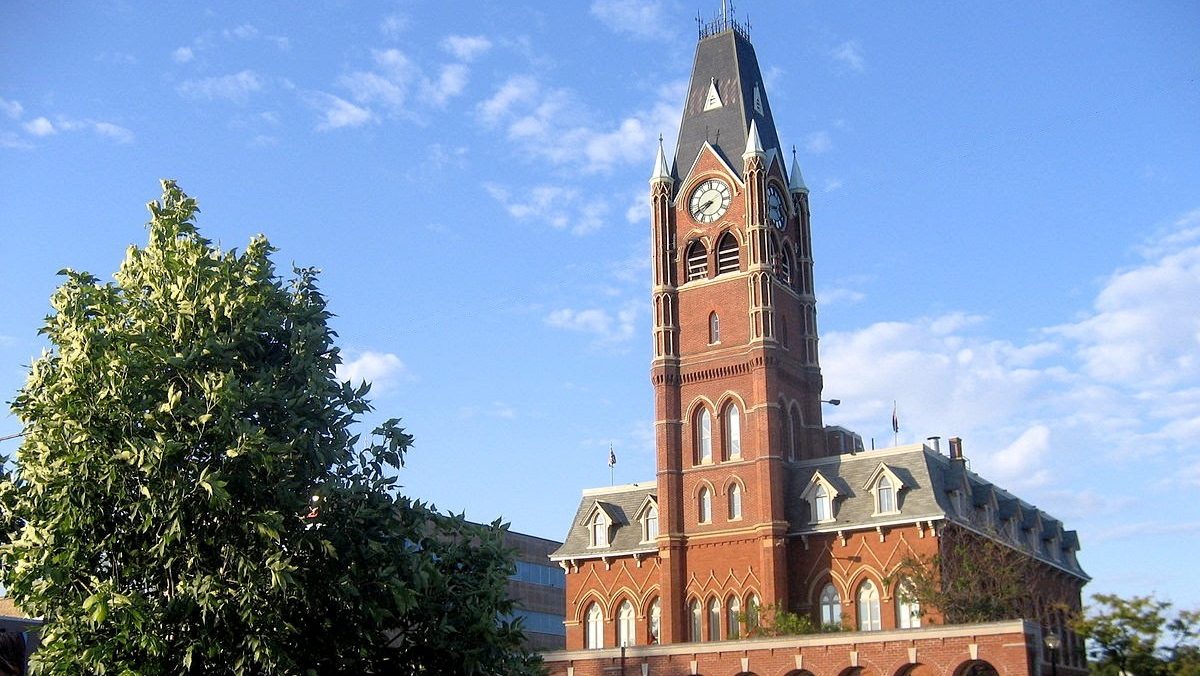
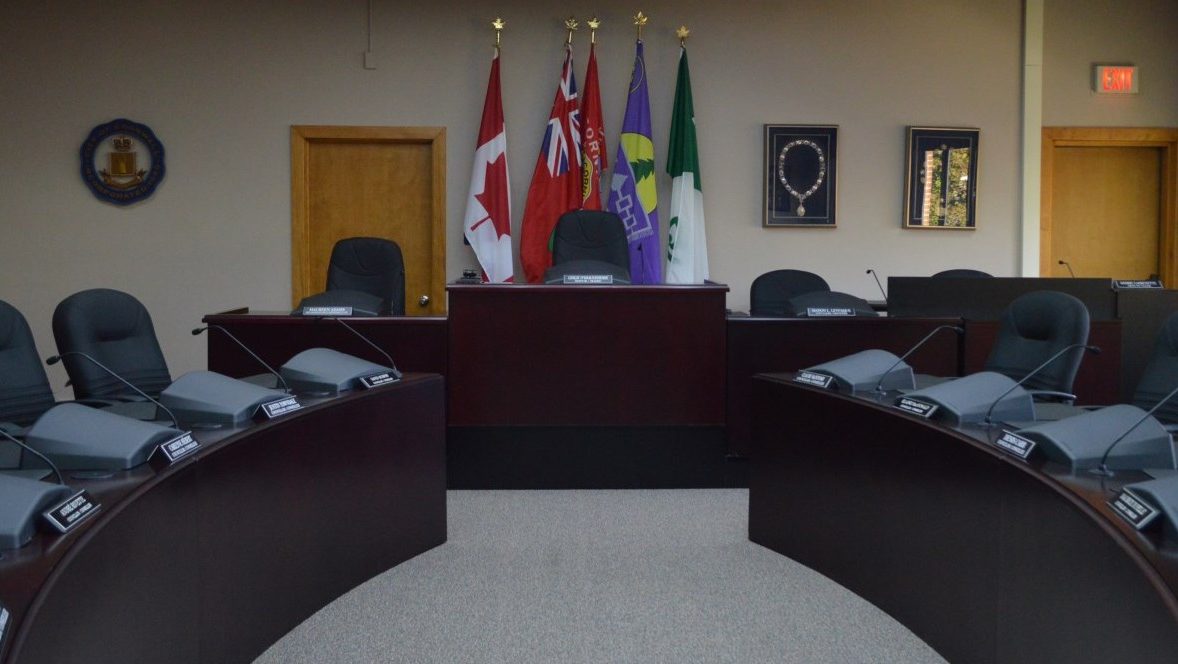
Some municipalities such as Belleville (City Council Planning Committee) and Pickering have created a standalone committee specifically for holding statutory public meetings.
Statutory public meetings
The Planning Act requires that municipalities hold public meetings to allow for feedback on:
- Official Plan Amendments: Before adopting or amending an official plan, a municipality must hold at least one public meeting.
- Zoning By-law Amendments: Before passing a zoning by-law or an amendment to it, a public meeting must be held.
- Plans of Subdivision or Condominium: When considering approval of a plan of subdivision or condominium, a public meeting is required.
These meetings are held to ensure public involvement in land-use planning decisions.
Public meeting held for amendments to Official Plan
Official Plans must be prepared with input from the community, considering a broad range of interests and perspectives and reflecting a community vision for future change. Notice and information is provided to the public and the approval authority is consulted.
Before revising the official plan under subsection (1), the council shall,
(a) consult with the approval authority and with the prescribed public bodies with respect to the revisions that may be required; and
(b) hold a special meeting of council, open to the public, to discuss the revisions that may be required. 2006, c. 23, s. 13.
Section 26 (4)
Notify the public with a mailing to every owner of land within 120 metres of the subject property
and by posting a notice on the property.
Notice of every special meeting to be held under clause (3) (b) shall be published at least once a week in each of two separate weeks, and the last publication shall take place at least 30 days before the date of the meeting.
Section 26 (5)
Every person who attends the meeting must be given the opportunity to speak:
The council shall have regard to any written submissions about what revisions may be required and shall give any person who attends the special meeting an opportunity to be heard on that subject.
Section 26 (5)
Public meeting held for amendments to Zoning Bylaw
Zoning Bylaws must be prepared with input from the community, considering a broad range of interests and perspectives and reflecting a community vision for future change. Notice and information is provided to the public and the approval authority is consulted.
(12) Before passing a by-law under this section, except a by-law passed pursuant to an order of the Tribunal made under subsection (26),
Section 34 (12)
- (a) the council shall ensure that,
- (i) sufficient information and material is made available to enable the public to understand generally the zoning proposal that is being considered by the council, and
- (ii) at least one public meeting is held for the purpose of giving the public an opportunity to make representations in respect of the proposed by-law;
Notice of this meeting must be given at least 20 days in advance, either through local newspapers or by mail and posted notice:
The public meeting required under subclause (12) (a) (ii) shall be held no earlier than 20 days after the requirements for giving notice have been complied with. 2006, c. 23, s. 15 (6).Section 34 (14.1) of the Planning Act
Section 34 (13)
Every person who attends the meeting must be given the opportunity to speak:
Every person who attends a public meeting required under subclause (12) (a) (ii) shall be given an opportunity to make representations in respect of the proposed by-law. 2006, c. 23, s. 15 (6).Section 34 (14.2) of the Planning Act
Section 34 (14.2)
Regulations
Committee meetings must be open to the public (as with all municipal committee meetings), with some exceptions.
If you believe that a meeting was closed to the public improperly (ie. the reason doesn’t fall within one of the 14 exceptions), you can submit a complaint to the Ontario Ombudsman.


Comments
We want to hear from you! Share your opinions below and remember to keep it respectful. Please read our Community Guidelines before participating.