
The Legislative Assembly of Ontario has the following types of committees:
- Standing committees
- Select committees
- Committee of the Whole House
Committees are working groups created by Ontario provincial parliament made up of selected Members of Provincial Parliament (MPPs) from each political party. They study issues relating to the committee’s mandate or referred to them by parliament in greater depth and report back to the Assembly. They execute a large portion of parliamentary work.
The number of representatives that each political party has on each committee is determined by the proportion of seats in the Legislature held by each party. So when there is a majority government, the party with the majority has the majority of seats on each Committee.
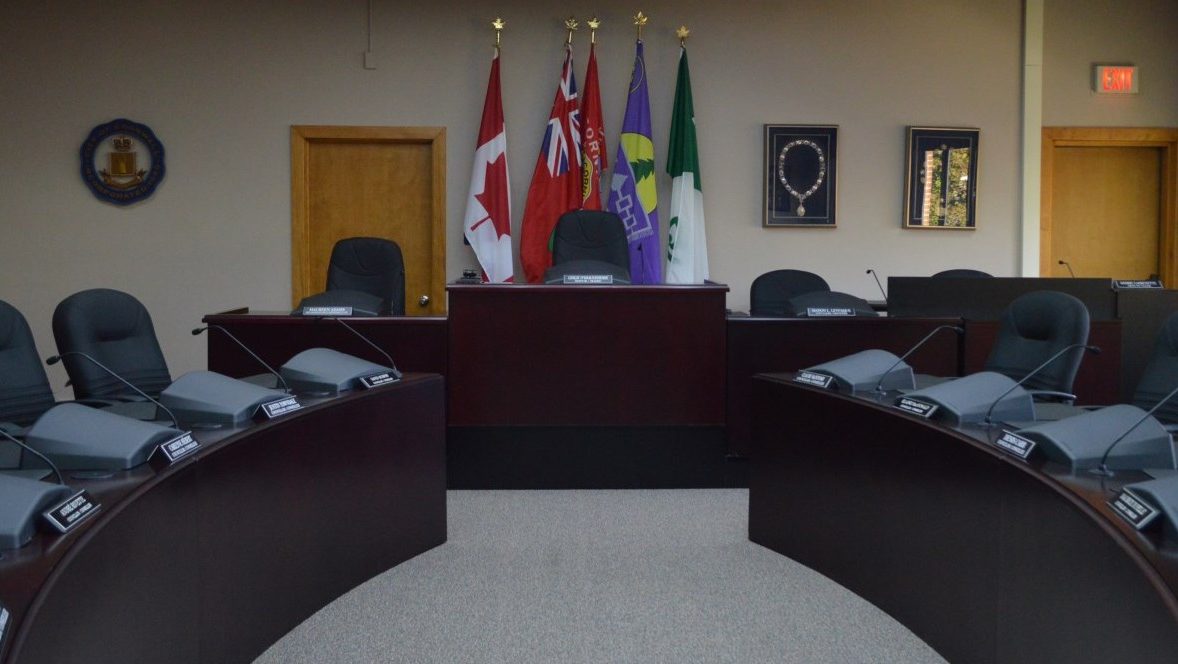
The Committees hold hearings and they vote on amendments to legislation. A government will often amend legislation based on what it has heard in consultations. Members of the media also usually attend the hearings.
Standing committees
Standing committees exist for the duration of a Parliament. There are nine Standing Committees of the Legislature, each composed of nine MPPs from the political parties represented in the House. These committees deal with ongoing areas of legislative activity related to provincial responsibilities such as education and health care.
- Finance and Economic Affairs
- Government Agencies
- Heritage, Infrastructure and Cultural Policy
- Interior
- Justice Policy
- Procedure and House Affairs
- Public Accounts
- Social Policy
More: All committee documents (transcripts, reports, etc.)
Current active committee hearings can be found on the Notices of hearings page.
For upcoming committee meetings, see the committee meetings weekly notice.
You can take part in these committees by:
- Watching Ontario government meetings
- Submit recommendations to a provincial committee
- Appear before a provincial committee as a witness
- Attend legislature proceedings in-person
Select committees
Select committees exist for a limited time to study a particular issue. These committees, usually composed of nine MPPs from the political parties represented in the House, are set up specifically to study certain bills or issues. Usually Select Committees examine material by a specific date and report back to the Legislature, after which the committee is dissolved.
Committee of the Whole House
Committee of the Whole House includes all Members of the Legislature and meets in the Chamber. The Deputy Speaker chairs the committee of the Whole House. This time allows MPPs to debate committee reports and make further comments on bills before a final vote.


Comments
We want to hear from you! Share your opinions below and remember to keep it respectful. Please read our Community Guidelines before participating.