
The Committee of the Whole (COW) is a committee composed of all members of council that facilitates the decision-making process and provides recommendations to council.
It is a forum where the business of the municipality is introduced for all members of council to request and review staff and consultant’s reports, receive public input, discuss, debate, and take preliminary votes on recommendations to council before holding a final vote in the regular council meeting. It’s where the real digging happens.
“Committee of the Whole” – Council sitting as a committee where:
Prince Edward County Procedural Bylaw
- members consider and debate matters in an environment that procedurally is more relaxed than the formal portion of a Council Meeting
- substantive motions adopted therein are not deemed to represent the final decision of Council until confirmed by resolution of Council.
COW vs Regular Council
While both meetings consist of all Council members, they serve different stages of the decision-making process:
- COW serves as a less formal forum for policy debate and public input. It addresses matters that do not fall under a standing committee’s mandate or items requiring the collective input of all representatives prior to formal Council action.
- Regular Council is the formal meeting where Council officially receives recommendations from COW (and other committees) to make final, binding decisions.
Who is on a COW?
All members of Council are members of the COW.
Meetings are typically less formal and discussion-oriented
In some municipalities, COW meetings are made to be less formal, conversational sessions by using less strict rules than those used in formal meeting of the Council to facilitate discussion and a more open exchange of views without the urgency of a final vote. For example:
Committee of the Whole Meeting: is a less formal, discussion-oriented meeting with the same members of Council. Generally, matters are discussed at the Committee of the Whole level first, then given final approval at the subsequent Council meeting.
Woolwich Township
Whenever Council resolves into Committee of the Whole the rules of procedure outlined in this by-law continue to apply, except for the
following:Owen Sound Procedural Bylaw
- motions are not required to be in writing or to be seconded
- a member may speak to a matter more than once at the discretion of the chair
Committees will observe the rules of Council unless otherwise stated in this Bylaw. Exceptions include, but are not limited to the following:
- motions do not require a seconder
- motions may be made verbally and are not required to be made in writing.
How municipalities implement COW
Same-day sprint (integrated COW)
Council enters COW at the beginning of a Regular Council meeting and then Rises and Reports at the end of the same meeting. The COW meeting is a sub-meeting inside a council meeting.
When Council rises and goes into COW, Council formally pauses, the Mayor steps down, a Councillor takes the Chair, and they discuss reports in a (theoretically) less formal environment. Once done, they “Rise and Report,” the Mayor retakes the Chair, and Council immediately votes to adopt those recommendations.
Municipalities that use this model include:
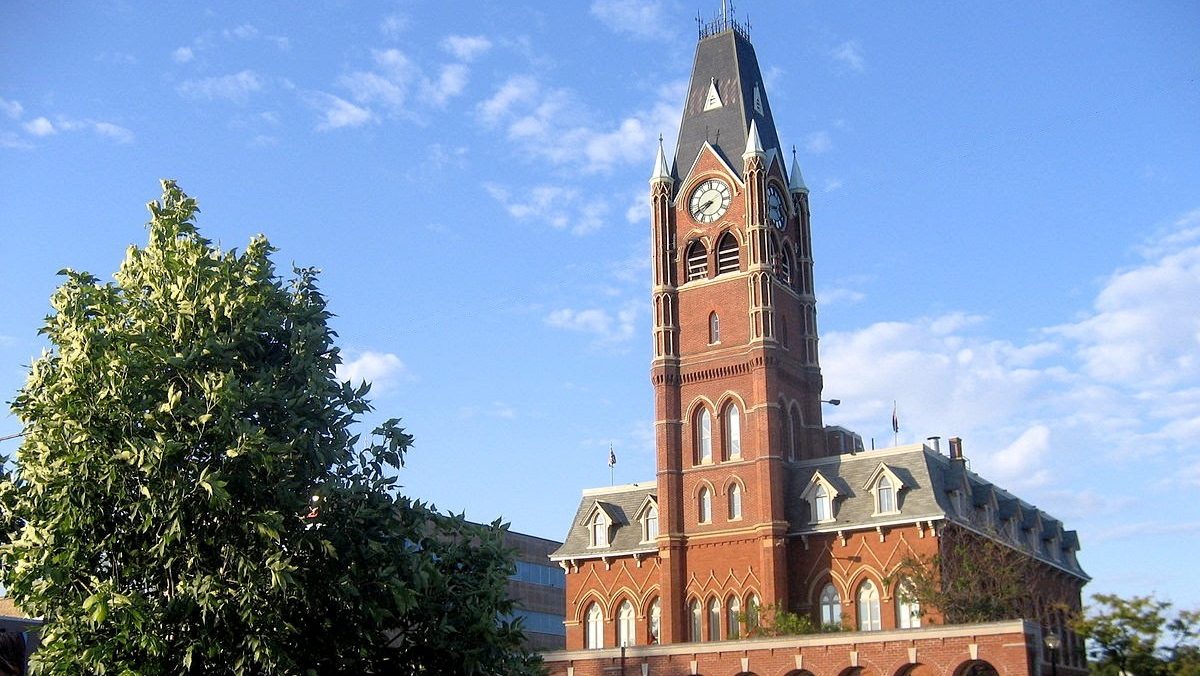
- Belleville
- St. Thomas
- Guelph Eramosa
- Advantage: Efficiency. A staff report can be presented, debated, and turned into a binding resolution or by-law all in one night. There’s no “wait and see” period.
- Disadvantage: Less time for public input. Feedback must happen before (often with 1-2 days notice) or during the meeting.
Belleville’s Procedural Bylaw only requires the Clerk to endeavour by post meeting agendas publicly 24 hours in advance of a council meeting, giving the public little time to review and respond:
Where a meeting agenda is released prior to a Council Meeting, the Clerk shall:
- endeavour to provide the meeting agenda to the local news media and all persons who have requested a copy a minimum of twenty-four (24) hours in advance of the meeting
- maintain copies of the meeting agenda in the office of the Clerk for review by members of the public
- endeavour to post the meeting agenda on the City’s web site.
Staged (separate COW)
First, the COW meets to debate reports and make recommendations, then 2 weeks later Council meets to adopt those recommendations.
Many other Ontario municipalities use a “staged” or “two week cycle” model, including:
- Whitby
- Prince Edward County
- Port Hope
- Advantage: Gives residents more time to react to a recommendation before the final vote
- Disadvantage: Longer turn-around time to making a decision
By the time the items reach Council, members of council have had two full weeks to reflect, consult with staff, and hear from community members.
The two-week gap acts as a “cooling-off period.” It allows the public, media, and interest groups to see what the committee recommended and lobby their councillors before the final, legally binding vote at Council which acts as a check and balance.
This approach may also encourage and provide more opportunity for public engagement and participation, particularly for public delegations because the committee structure allows for less formal discussion and questions.
What laws govern a COW?
- Municipality’s Procedural Bylaw
- Municipal Act
Meetings must be open to the public
Property Standards Committee meetings must be open to the public (as with all municipal committee meetings), with some exceptions.
If you believe that a meeting was closed to the public improperly (ie. the reason doesn’t fall within one of the 14 exceptions), you can submit a complaint to the Ontario Ombudsman.
Terms of Reference example
Municipal COW committees in Ontario
Examples
The Committee of the Whole receives reports that fall within the purview of more than one Regional Department.
This Committee’s goal is to ensure financial sustainability, accountability and transparency, and the provision of education for Members of
Regional Council.The following general matters shall be directed to the Committee of the Whole for consideration and report to Council:
- Budget guideline
- Water Supply & Sanitary Sewerage Business Plans & Budget
- Water Supply and Sanitary Sewer User Rates
- Property Tax Supported Business Plans & Budget
- Annual Property Tax Study
- Matters that, in the opinion of the CAO, require consideration by all Members of Council
- Education and training for all members of Council
The Committee of the Whole may consider other matters referred to it by Regional Council.
Durham Region Procedural Bylaw
While sitting in Committee of the Whole, the rules governing the procedure of the Council and the conduct of the Members thereof shall not be limited, provided that no Member of Council shall speak for more than five minutes at one time until all other Members wishing to speak have spoken.
Ottawa Procedure Bylaw
The rules governing the procedure of Council and conduct of Members in Council shall be observed in Committee of the Whole so far as they are
applicable, provided that:a) the number of times of speaking on any question shall not be limited, and
b) no Member shall speak more than once, until every member who desires to speak has spoken and then only to provide new information or to seek clarification from the Chair or other Members or from Administration11.2 The Mayor shall preside over the proceedings of Committee of the Whole and may appoint a Member of Council to preside over the proceedings of the Committee of the Whole and shall then vacate the Chair.
11.3 The Committee of the Whole shall have jurisdiction and be responsible to formulate and discuss major and general policies and such other matters as may be referred to it by Council or Committees thereof.
Windsor Procedure Bylaw
Council by resolution may resolve itself into Committee of the Whole in order to consider:
(i) Reports;
(ii) Consent Items; and
(iii) Information Items.
(2) The meeting agenda shall include under Reports items that warrant individual
attention from Council, typically consisting of items where:
(i) a change in policy is proposed;
(ii) a deputation relating thereto is scheduled;
(iii) procurement policies or procedures so stipulate (+$500,000, not lowest Bid,
over budgeted amount);
(iv) the staff recommendation requires Council to choose from a range of
options; or
(v) the item relates to a matter of significance in the community.The meeting agenda shall include under the Consent Items matters that are routine or otherwise do not qualify for inclusion under Reports in the meeting agenda.
Council may adopt Consent Items by one motion, but prior to consideration of such motion, Members may request that specific items be removed from consideration under such motion and Council shall consider such items individually.
The meeting agenda shall include under the Information Items matters that are principally for the information of Council and that do not by necessity require action or response from Council.
Council may adopt Information Items by one motion, but prior to consideration of such motion, Members may request that specific items be removed from consideration under such motion and Council shall consider such items individually.
The Rules shall be observed in Committee of the Whole so far as may be applicable, except that Members may remain seated unless requested to stand by the Presiding Officer.
Upon completion of business in Committee of the Whole, the Committee shall by resolution rise and report, and Council shall thereupon reconvene in formal session.
Belleville Procedural Bylaw


Comments
We want to hear from you! Share your opinions below and remember to keep it respectful. Please read our Community Guidelines before participating.