
Operating budget projects reports
Property Tax Bylaw, Municipal Estimates and Property Tax Levy
Proposed budget
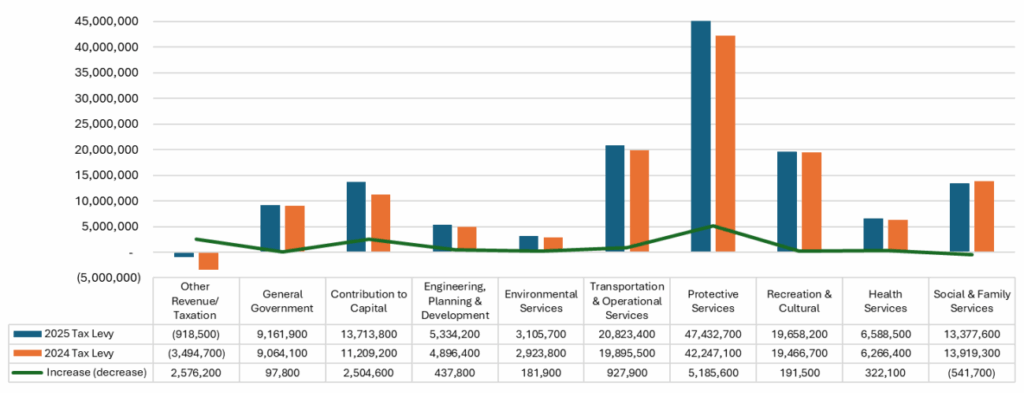
The proposed 2025 Operating Budget is $226,787,800 in gross expenditures and $138,277,500 in net expenditures supported by property taxes.
The increase in property tax required for 2025 totals $11,883,700 or 9.40%. This increase was partially offset by 3.26% growth in property assessment in the City based on MPAC’s final roll.
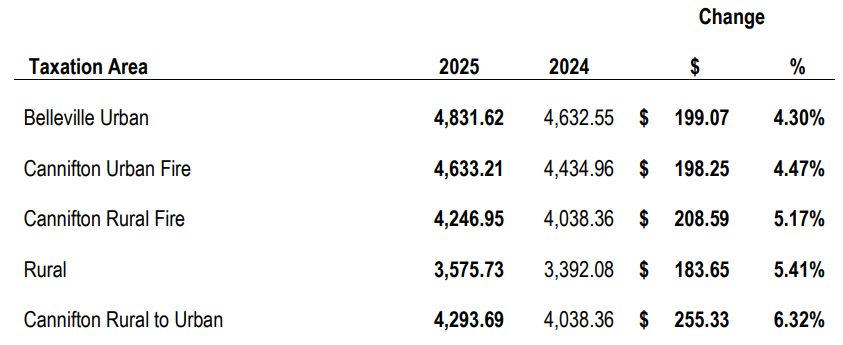
Increases by area
- Belleville Urban – 4.25%
- Cannifton Urban – 4.42%
- Cannifton Rural – 5.11%
- Belleville Rural – 5.35%
- Cannifton Rural to Urban – 6.27%
Increases by service
Largest increases are a result of:
- Policing cost pressures
- Implementation of Fire Master Plan and the expanded urban coverage of fire services
- $10.5M in Housing/planning/development spending through the Housing Accelerator Fund (offset by funding from the federal government)
- Increased funding to capital contributions to Asset Management Reserve funds for infrastructure investment through the Capital Budget to make up for the growing gaps in infrastructure maintenance, in line with Belleville’s Asset Management Plan.
- $84M Salaries, wages and employee benefits: 9.74%
- $29M Police: 10.95%
- $22M Contracted services and general services: 10.06%
- $2.8M Library: 4.56%
- $1.2M Quinte Conservation: 6.91%
- $550K Grant programs: -3.41%
- Provincially mandated
- Social services: 5%
- Social housing: 5%
- Emergency Medical Services (EMS): 5%
- Long Term Care: 5%
- Health Unit: 5.59%
Taxpayer Impact Analysis
Total tax impact (including education taxes) for a residential property with a $250,000 valuation:
February 20, 2025 – Special council meeting
Issues summary
Summary of base budget adjustments
Bay of Quinte Economic Development budget?
Draft budget survey results
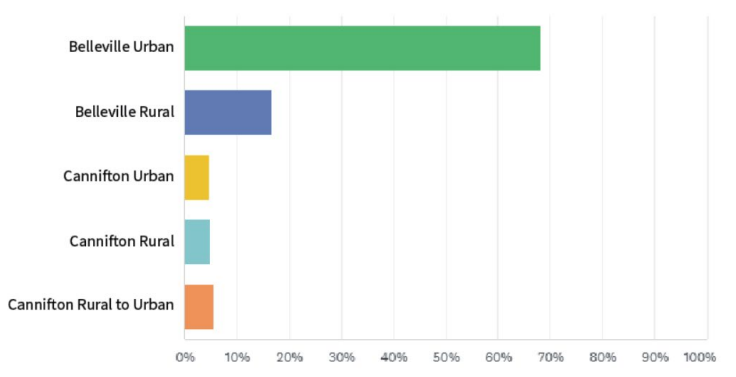
Which tax billing area do you live in?
In your opinion, how well does the 2025 Draft Operating Budget align with the budgetary guidelines established and community priorities listed above?
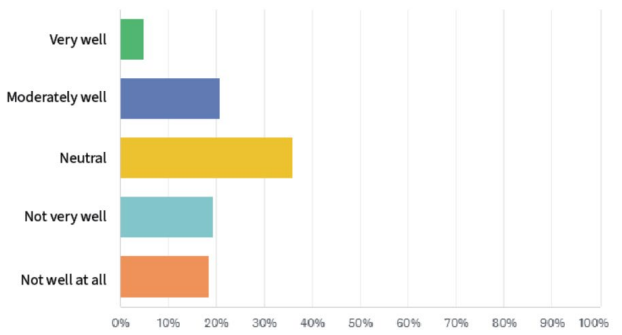
Please elaborate on your previous answer to the previous question, “In your opinion, how well does the 2025 Draft Operating Budget align with the budgetary guidelines established and community priorities listed above?
Summary of 96 responses:
- Concerns Over Protective Services Spending – Many respondents feel that too much of the budget is allocated to police and fire services, with some advocating for contracting out policing to the OPP or reducing funding altogether. Others argue that police training is inadequate, especially regarding mental health issues, and that resources should be redirected toward healthcare and social services instead.
- High Tax Burden and Cost of Living Pressures – A number of residents express frustration over rising property taxes, particularly for those on fixed incomes. Many believe the City should freeze or reduce taxes, citing financial hardships and concerns that tax increases are not justified by improvements in services.
- Healthcare and Doctor Recruitment Priorities – There is a sentiment that not enough budget is allocated to healthcare, doctor recruitment, and addressing the local healthcare crisis. Many argue that more funding should go to hospitals, medical services, and social support instead of protective services.
- Public Transit and Infrastructure Issues – Complaints about the City’s public transit system are common, including route changes that have made commuting more difficult and long wait times. There is also dissatisfaction with road maintenance, particularly potholes and neglected areas, with calls for more investment in transportation and infrastructure.
- Spending Efficiency and Budget Transparency – Many residents feel the City is mismanaging funds, with concerns over excessive administrative costs and ineffective budget allocations. Some call for better financial oversight, cost-cutting measures, and an overall re-evaluation of spending priorities to ensure funds are used more effectively
Included in the Operating Budget are proposed Operating Issues that reflect new initiatives and an incremental cost from the 2024 Operating Budget. Are you generally satisfied with these new initiatives?
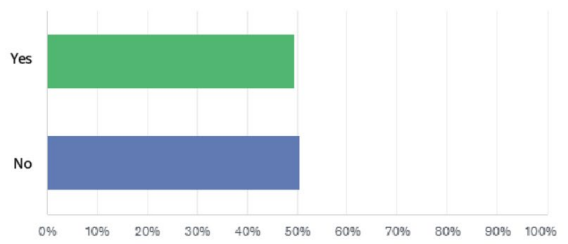
Summary of 97 responses:
- Opposition to Tax Increases – Respondents feel that taxes are already too high and strongly oppose any further increases. Some suggest finding cost savings within existing budgets rather than increasing taxes.
- Concerns About Spending Priorities – There is frustration over perceived wasteful spending on initiatives such as homeless programs, policing, and non-essential projects. Some believe funds should be better allocated to core services.
- Transit Issues – Complaints about unreliable bus service, canceled routes, and a lack of investment in improving transit were common. Many call for hiring more drivers and restoring cut services.
- Lack of Transparency and Public Engagement – Several respondents feel that budget decisions and spending priorities are not clearly communicated. They want easy-to-understand summaries.
- Calls for Cost-Saving Measures and Efficiency – Some believe the City should conduct audits, reduce unnecessary staff or spending, and operate more efficiently instead of continually increasing the budget. Some suggested wage caps for City employees.
In your opinion, what changes or improvements would you suggest for the 2025 Draft Operating Budget to better meet the needs of the community?
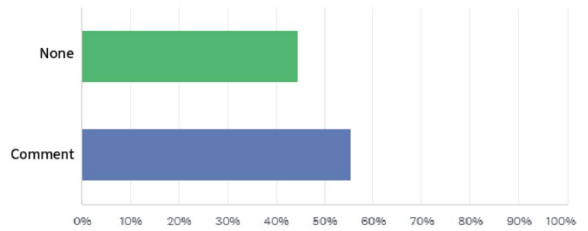
Summary of 100 responses:
- Lower Taxes & Reduce Spending – Respondents are frustrated with rising taxes and want the City to find ways to cut spending, including reducing administrative costs, reviewing City employee salaries, and prioritizing essential services over discretionary spending.
- Improve Public Transit – There is a demand for better public transit, including reinstating canceled routes, ensuring buses are reliable and on schedule, and hiring more drivers to improve service.
- Healthcare & Doctor Recruitment – Many people want increased funding for healthcare services and doctor recruitment, seeing it as a crucial need for the community.
- Reevaluate Police & Protective Services Budget – Some residents believe the police budget is too high and should be reduced, while others want a more efficient use of resources rather than continued hiring and spending increases.
- Infrastructure & Road Repairs – Calls for better road maintenance, improved downtown development, and fairer investment in both urban and rural infrastructure were frequent, with concerns about unfinished projects and deteriorating streets.
The City has released Departmental Operating Plans that detail each department’s roles, responsibilities, recent accomplishments, 2025 initiatives, and key performance indicators (KPIs). These KPIs have been compiled into a dashboard for convenient review, accessible by clicking here. Are there any additional KPIs you believe would be beneficial for the community?
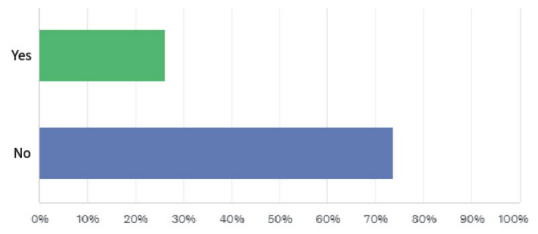
Summary of 45 responses:
- Public Safety & Police Services Metrics – Respondents believe there should be measurable KPIs for police performance, efficiency, and budgeting.
- Transit System Performance – Residents feel current transit KPIs don’t reflect the quality or reliability of service. They suggest adding KPIs for service efficiency, adherence to schedules, and customer satisfaction.
- Affordability & Cost Efficiency – There is concern about rising costs for City services, property taxes, and living expenses. Residents want KPIs that track cost savings, budget efficiency, and affordability for average citizens.
- Housing & Social Services – Multiple comments highlight the need for KPIs on affordable housing availability, homelessness reduction, and mental health support effectiveness.
- Budget Transparency & Accountability – Respondents request better tracking of how City funds are used, including historical budget accuracy, cost-per-resident analysis, and clearer breakdowns of spending effectiveness.
Are there any specific topics surrounding the City’s operating budget and process that you wish you had more information on?
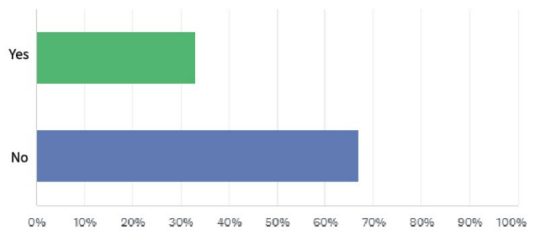
Summary of 56 responses:
- Protective Services & Public Safety Spending – Residents want more transparency on police and fire service budgets, including cost-benefit analyses and proof of efficiency. Some also want protective services separated in budget reports.
- Taxation & Cost Efficiency – There is concern about rising taxes without noticeable improvements in services. People are asking for audits, cost-saving measures, and clearer reporting on where tax dollars are being spent.
- Doctor Recruitment & Healthcare Investment – Multiple comments highlight a desire for more information on doctor recruitment strategies, spending, and outcomes, as well as a push for healthcare investment over recreation projects.
- Transit & Infrastructure Spending – Residents question changes to transit routes, budget allocation for road and sidewalk upgrades, and the effectiveness of transportation investments.
- Casino & Other Revenue Transparency – Some want details on how casino revenue, speed camera fines, and other City-generated funds are used, with calls for audits and clear reporting on financial allocations.
January 24, 2025 – Draft budget survey
A survey to obtain direct feedback on the preliminary draft Operating budget.
The survey results will be included at the Operating Budget meetings for Council’s consideration.
January 24, 2025 – Draft budget
Summary
Issues
Base budget adjustments
August 26, 2024 – Budget guidelines
Taxation
When asked about current tax levels, in relation to tax-funded services, the majority (42%) of respondents were in favor of maintaining taxes, even if it means reducing some discretionary tax-funded services. There was a relatively equal split between “increase taxes to an extent that maintains tax-funded services” and “decrease taxes by reducing discretionary tax-funded services” at 22% and 26%, respectively.
Service Levels
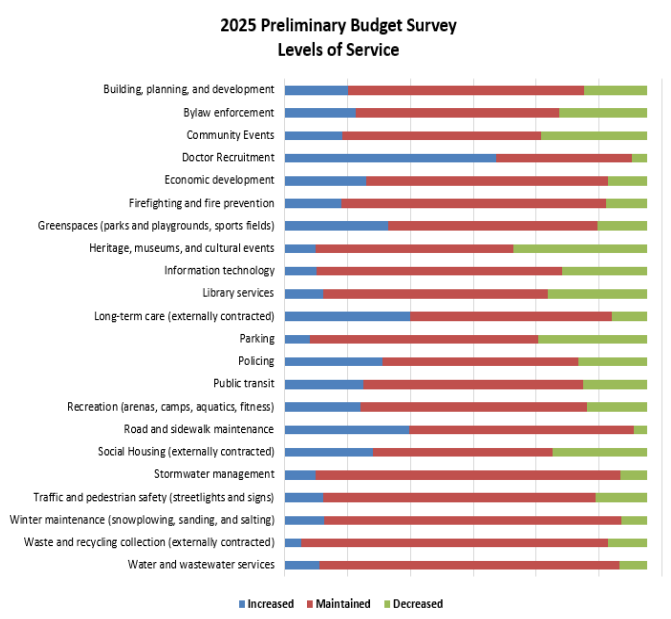
Respondents were provided with specific service types and asked to provide feedback on the current level of service. Overall, it appears most would like to see services maintained at existing levels. There were three services, Doctor Recruitment (58%), Long-Term Care (34%), and Road and Sidewalk Maintenance (34%) that received considerable support for increased levels of service.
User Fees
Participants were asked whether they would be in favor of user fees increases, and if so, which specific fees they would support increases to. While over 17% of the responses did not support increases to any of the user fees, respondents were supportive of increasing most fees, with the exception of Bag Tags. Apart from Bag Tags and Transit Fares, which received just slightly less support, potential increases to other user fees, including Dog Tags, Pools, Sports Fields and Recreation Programs, were supported by over 45% of respondents. Arenas and Museum
Services were the most supported areas, receiving support from over 55% of respondents.
Key Performance Indicators (KPI)
With the development and inclusion of departmental plans as part of the annual operating budget process, respondents were asked to provide feedback on which KPIs were most relevant and beneficial for tracking performance. Efficiency and Community Impact were identified as the top
two KPIs, with a desired focus on Finance.
2025 Operating Budget Guidelines
The draft recommended 2025 Operating Budget Guidelines are as follows:
- That the 2025 Draft Operating Budget be presented with overall residential property tax rate increases not to exceed 5%, excluding any tax rate increases generated from the 2024 Fire Master Plan phase-in approved by Council;
- That the 2025 Draft Operating Budget consider the service areas prioritized through public input received;
- That City Department operating issues presented in the 2025 Draft Operating Budget align with the strategic themes and initiatives outlined in the City’s Strategic Plan and Departmental Operating Plans, with priority given to those categorized as Legislative, Compliance, or Health & Safety and Maintenance of Service Levels, and where any Enhancement of Service Levels are proposed, that they align with public input received; and
- That the 2025 Draft Operating Budget incorporate a moderate increase in its tax-funded contributions to capital projects in alignment with the financial strategy outlined in the 2024 Asset Management Plan.
July 8, 2024 – Preliminary budgets survey results
The survey was available for roughly three weeks from May 14th to June 5th with a total of 781 responses received. The “2025 Preliminary Survey Results Report” highlighting the survey’s results are attached, with some high-level observations noted below.
Majority of respondents were either homeowners (80%) or tenants (15%) living within the Belleville Urban boundary (66% of the total responses). Much better balance of responses received in terms of age group and household income.
Service levels
Majority (42%) in favor of maintaining taxes, even if it means reducing some discretionary tax-funded services. There was a relatively equal split between “increase taxes to an extent that maintains tax-funded services” and “decrease taxes by reducing discretionary tax-funded services” at 22% and 26%, respectively.
Majority of residents would like to see services maintained at existing levels.
- Increased levels of service: Doctor Recruitment (58%), Long-Term Care (34%), and Road and Sidewalk Maintenance (34%).
- Decreased levels of service: Heritage, Museums and Cultural Events (37%), Parking (30%), and Community Events (29%).
User Fees
Participants were asked whether they would be in favor of user fees increases, and if so, which specific fees they would support increases to. While over 17% of the responses did not support increases to any of the user fees, respondents were fairly supportive of increasing most fees, with the exception of Bag Tags. Apart from Bag Tags and Transit Fares, which received just slightly less support, potential increases to other user fees, including Dog Tags, Pools, Sports Fields and Recreation Programs, were supported by over 45% of respondents. Arenas and Museum Services were the most supported areas, receiving support from over 55% of respondents.
Key Performance Indicators (KPI)
KPIs were most relevant and beneficial for tracking performance: Efficiency and Community Impact, with a desired focus on Finance.
Asset Prioritization
Top 3 respondent priorities for capital spending: Transportation (roads) (67%), Water (61%) and Wastewater (50%).
May 14, 2024 – Preliminary budgets survey
Purpose: engage stakeholders in the early stages of the budget process and allow them to provide their feedback on operational and capital spending priorities, as well as the overall approach to budget development. The results of the survey will be presented to the Finance Committee and Council to assist with the development of guidelines for budget preparation later this year.
Residents can provide feedback on spending priorities and the overall approach to budget development. The results of the survey will be used to develop guidelines for budget preparation.
1. Do you live and/or own a business in Belleville?
- I am a homeowner
- I am a business owner
- I am a tenant
- One or more of the above
- None of the above (please specify)
2. What is your tax billing area?
- Belleville Urban
- Belleville Rural
- Cannifton Urban
- Cannifton Rural
3. How old are you?
- 18-24
- 25-34
- 35-44
- 45-54
- 55-64
- 65+
- Prefer not to answer
4. What is your annual gross household income?
- Less than $50,000
- $50,000 to $100,000
- $100,000 to $150,000
- $150,000 to $250,000
- $250,000+
- Prefer not to answer
5. How familiar are you with how the City develops the annual Capital and Operating Budgets?
- Very familiar
- Somewhat familiar
- Not at all familiar
6. Due to the increased cost of maintaining service levels and supporting infrastructure, the City must balance property taxes with increasing demand for services. The City has a number of options when balancing the budget. Please indicate which of the following statements comes close to capturing your point of view:
- Increase taxes to an extent that maintains tax-funded services.
- Maintain taxes, even if it means reducing some discretionary tax-funded services.
- Decrease taxes by reducing discretionary tax-funded services.
- Increase taxes to expand and/or enhance tax-funded services.
7. For each of services listed below that are directly or indirectly provided by the City, please indicate whether the level of service should be increased, maintained, or decreased.
- Building, planning, and development
- Bylaw enforcement
- Community Events
- Doctor Recruitment
- Economic development
- Firefighting and fire prevention
- Greenspaces (parks and playgrounds, sports fields)
- Heritage, museums, and cultural events
- Information technology
- Library services
- Long-term care (externally contracted)
- Parking
- Policing
- Public transit
- Recreation (arenas, camps, aquatics, fitness)
- Road and sidewalk maintenance
- Social Housing (externally contracted)
- Stormwater management
- Traffic and pedestrian safety (streetlights and signs)
- Winter maintenance (snowplowing, sanding, and salting)
- Waste and recycling collection (externally contracted)
- Water and wastewater services
8. The following services are partially funded user fees.
Please identify which service(s) you would support an increase in user fees to reduce reliance on property taxes (select all that apply)
- Arenas
- Museum & Culture Services
- Recreation Programs
- Pools
- Sports Fields
- Transit (only applicable to Belleville Urban tax billing area)
- Garbage Bag Tags
- Dog Tags/Licenses/Permits
- None of the above
9. The City prepares Annual Departmental Plans each year in conjunction with the Operating budget process.
This document provides a comprehensive overview of past accomplishments, strategic objectives, operational goals, key initiatives, and budget projections for the upcoming year: City of Belleville 2024 Departmental Plans.
For the development of the 2025 Departmental Plans, staff and Council will be developing key performance indicators to be included in these plans.
Please select the types of performance metrics and departmental areas you believe are most relevant and beneficial for tracking performance. (select all that apply)
- Finance
- Fire Services
- Corporate Services
- Human Resources
- Engineering & Development Services
- Transportation & Operations Services
- Community Services
- Environmental Services
- Information Technology
- Economic Development
- Efficiency – expresses the resources used in relation to the number of units of service provided or delivered. Typically, this is expressed in terms of cost per unit of service.
- Customer services – expresses the quality of service delivered relative to service standards or the customer’s needs and expectations.
- Community impact – expresses the outcome, impact, or benefit that the City program has on the community in relation to the intended purpose or societal outcomes expected.
- Activity level – provides an indication of service/activity levels by the number of resources or the volumes of service delivered to ratepayers. Results are often expressed on a common basis, such as, the number of units of service provided per capita.
- Other (please specify)
10. The Capital Budget is the City’s plan for making large investments in infrastructure. Capital expenses include major maintenance to public buildings, construction or purchase of new buildings, purchase of major equipment, significant road resurfacing projects, water and wastewater infrastructure, and more.
In your opinion, how would you rank the following areas of the City’s capital investment?
- Adding to or expanding existing infrastructure to enhance levels of service (e.g., adding a new recreation facility or splash pad to serve existing ratepayers)
- Renewing assets that support existing levels of service (e.g., rehabilitating or reconstructing a road).
- Improving the responsiveness of City services (e.g., improving response time of ratepayer complaints regarding infrastructure).
- Facilitating residential and non-residential growth (e.g., acquiring a new snowplow to service new subdivisions that would generate tax revenue).
- Investing in other key priorities as outlined in the City’s Strategic Plan (e.g., reducing climate change impacts).
11. In accordance with the Asset Management Plan, the City must prioritize Capital projects to develop its 10-year capital plan. In your opinion, select the most important infrastructure areas.
- Transportation (e.g., roads, streetlights, bridges)
- Water (e.g., treatment plant, water pipes)
- Wastewater (e.g., treatment plant, wastewater pipes)
- Stormwater (e.g., culverts, stormwater manholes)
- City Facilities (e.g., community & recreation centres, City Hall)
- Parks (e.g., playgrounds)Fire (e.g., firetrucks, fire stations)
- Police (e.g., patrol vehicles, police station)
- Fleet & Equipment (e.g., snowplows, lawnmowers)
- Information Technology (e.g., servers, computer equipment)
- Library (i.e., facility, books)Parking (i.e., parking lots, meters)
12. Would you like to sign up to receive ongoing updates on the City’s budget?
- Yes
- No


Comments
We want to hear from you! Share your opinions below and remember to keep it respectful. Please read our Community Guidelines before participating.